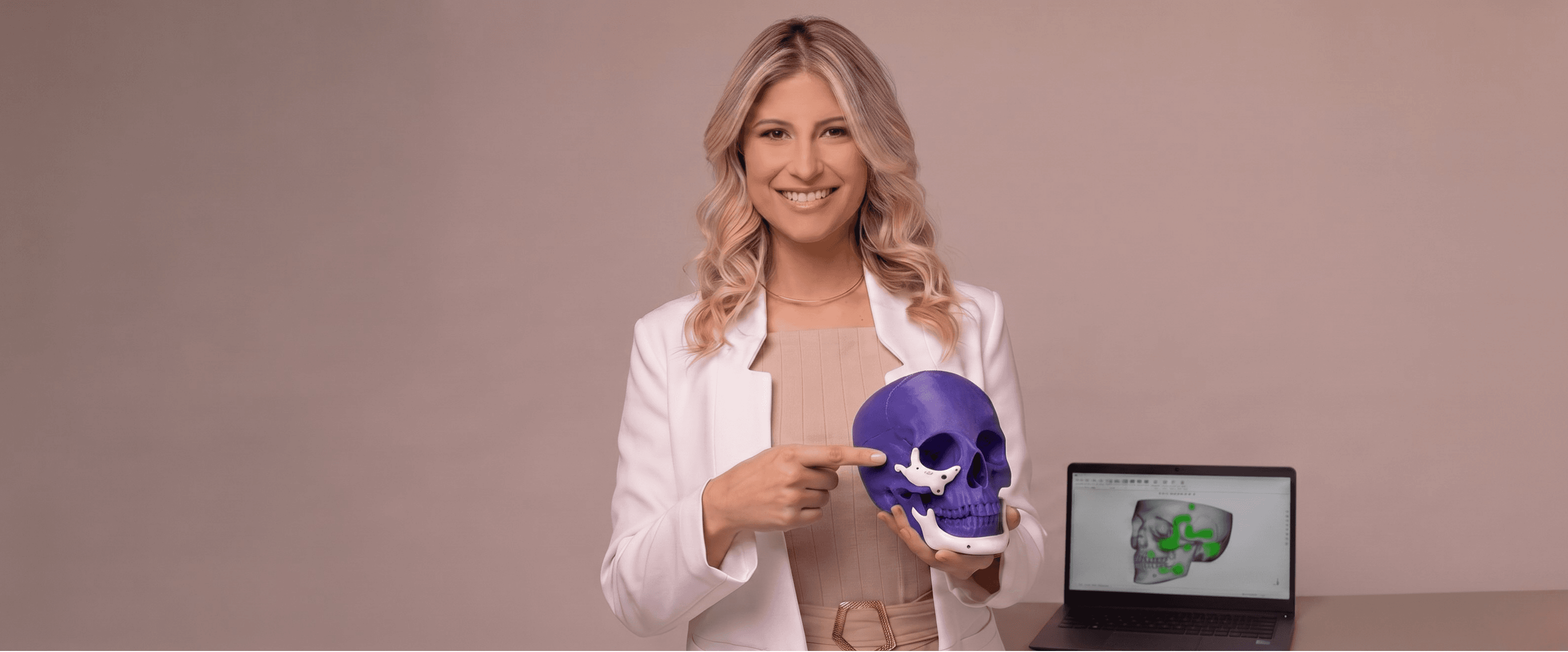
Reconstruction
Bone loss from trauma, tumor resection or malformation, restoring volume and contour.
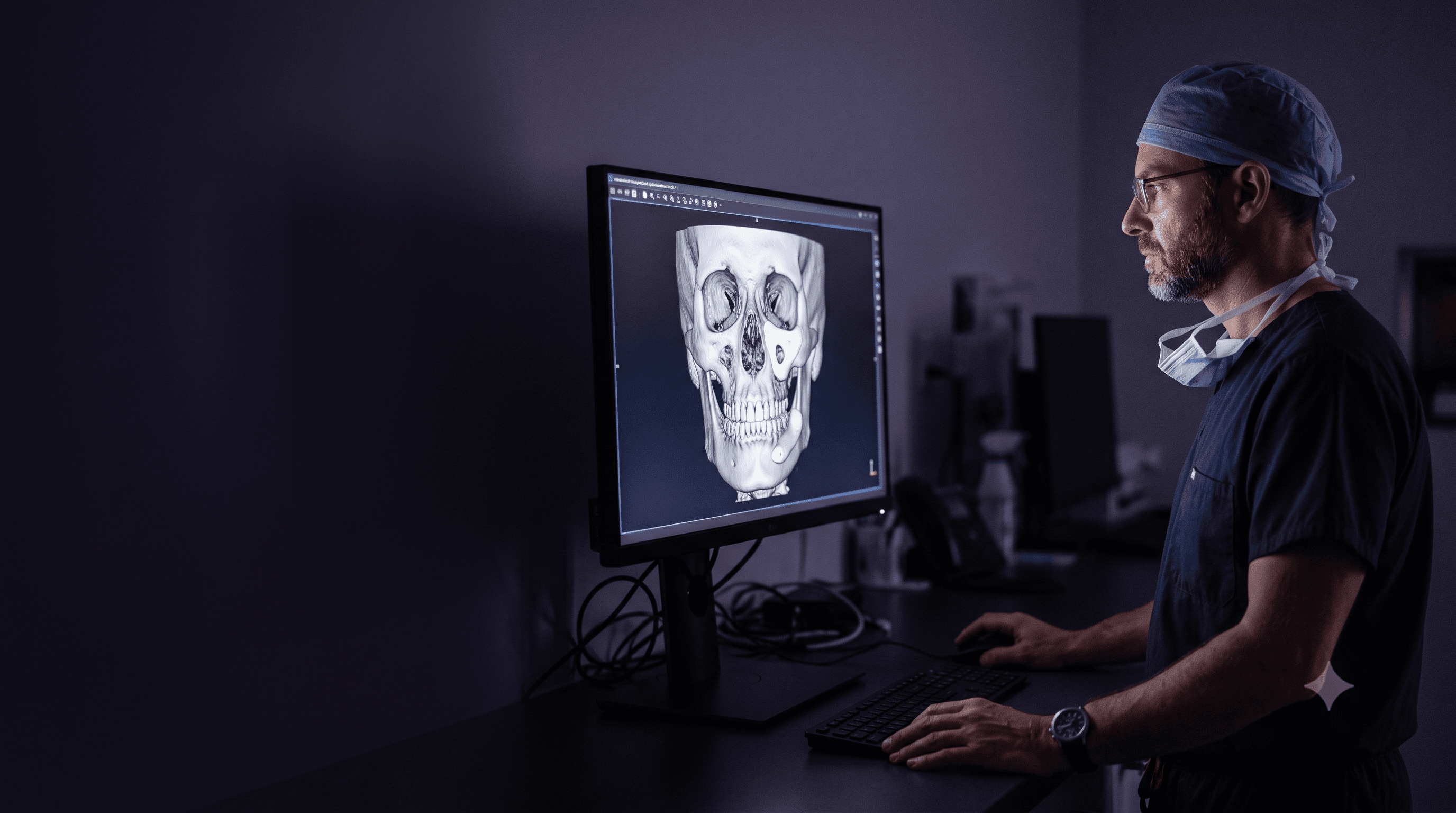
For surgeons and dentists
You send the CT scan. We design, validate and produce the custom prosthesis for your case, with the rigor the operating room demands.
Indications
Every prosthesis is designed on your patient's anatomy. If the case calls for its own geometry, it belongs here.
Bone loss from trauma, tumor resection or malformation, restoring volume and contour.
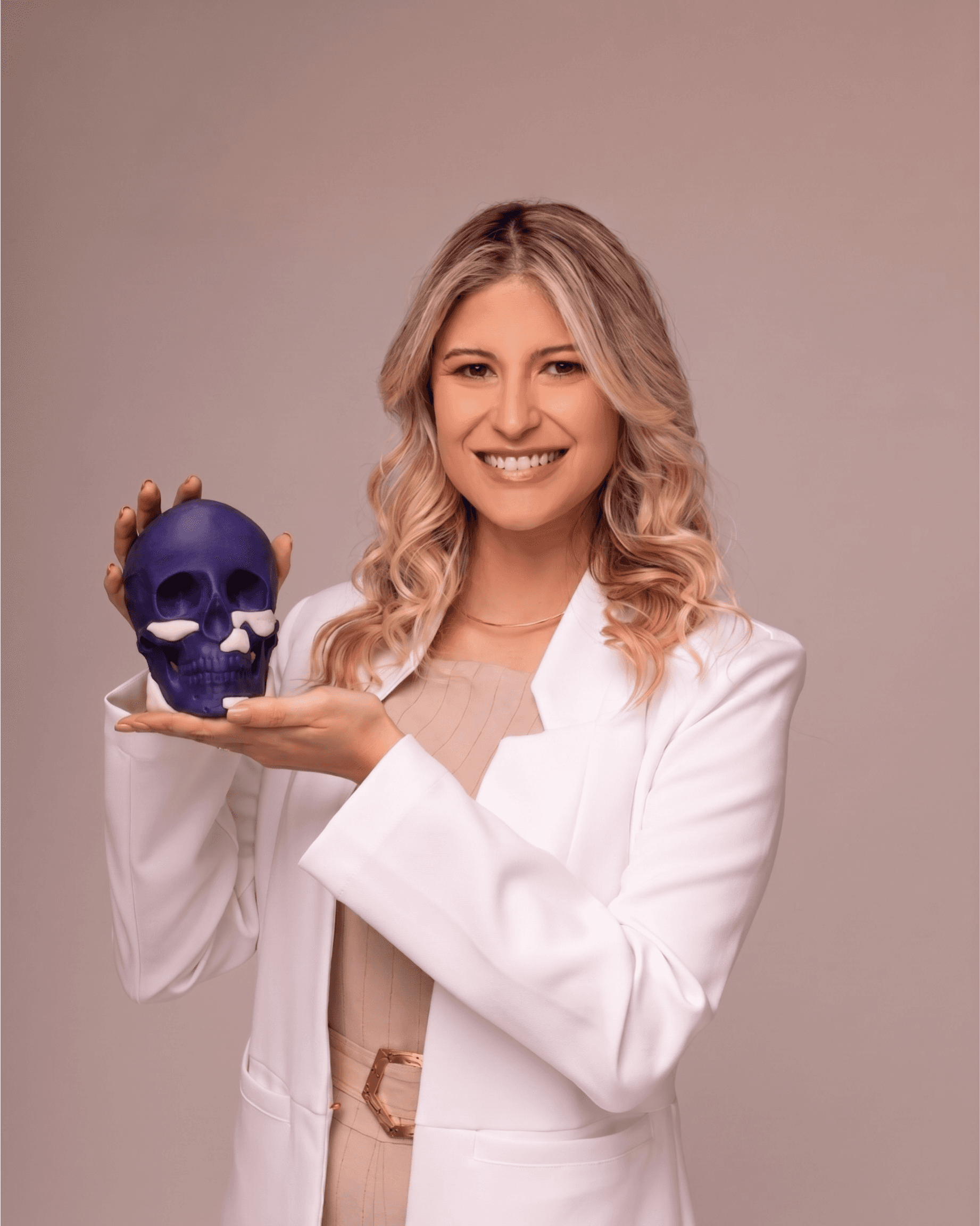
Mandible, chin and zygoma onlays for harmonization, designed on the real anatomy.
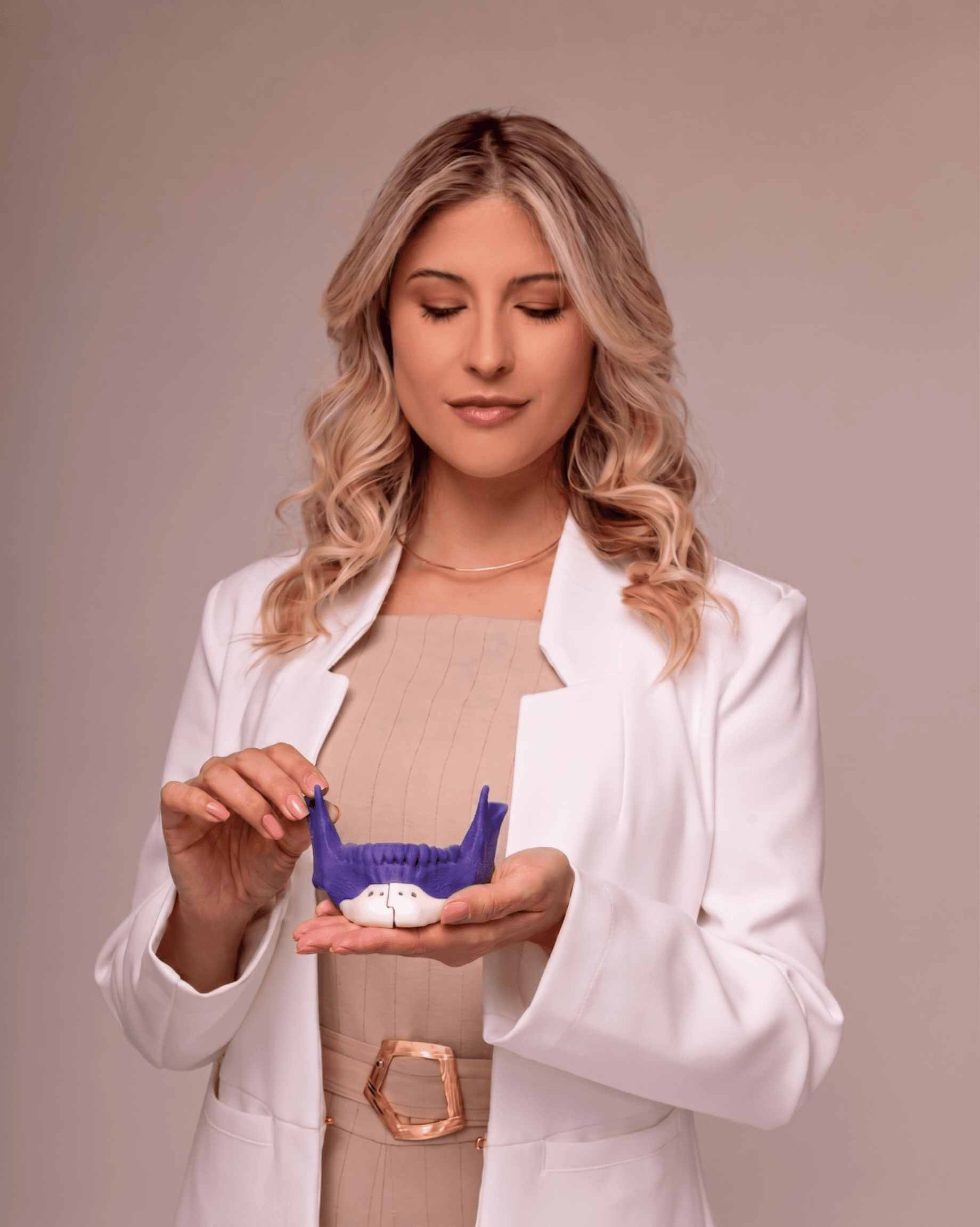
Prostheses that seat on a specific bone bed, with the fit verified before production.
How to submit a case
You follow the case from submission to delivery, and approve the design before any physical production.
What you need to send
01
You send the scans and the surgical goal. We come back with feasibility.
02
We model the prosthesis on the anatomy segmented from the CT scan.
03
You review the design and request changes. Nothing is produced without your sign-off.
04
Printing by Compass 3D, dimensional control and sterilizable shipping.
Material
Polymethyl methacrylate, the same material established in cranioplasty. Stable, biocompatible and machinable in the operating room when the case calls for a fine adjustment.
Established use in cranial and facial implants.
Creates no artifact in follow-up imaging.
Holds shape and volume over time.
Accepts grinding and drilling intraoperatively.
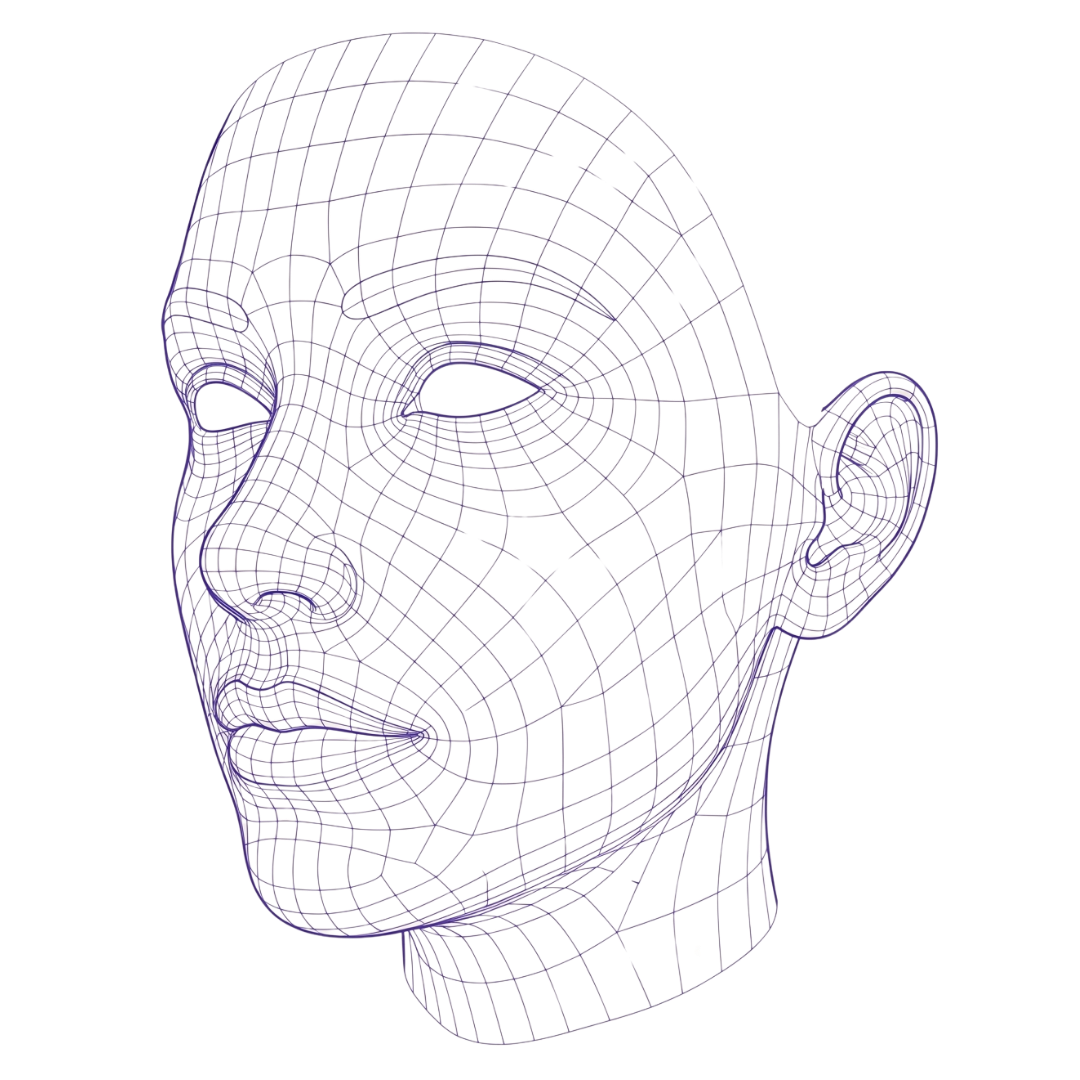
Technology and control
The whole path is digital and traceable. What you approved is exactly what gets produced.
01
Bone is reconstructed in 3D from the DICOM, preserving the real geometry.
02
Digital overlay between prosthesis and bone bed before releasing production.
03
Additive manufacturing by Compass 3D, with parameters controlled per batch.
04
The printed prosthesis is compared against the approved design before shipping.
 Regulatory complianceCertified facility
Frequently asked questions
The timeline depends on the complexity of the case. Once we receive the scans, we come back with a firm timeline alongside the feasibility analysis. Cases with a scheduled surgery date enter a priority flow.
Yes. The digital design is sent for your review and nothing is produced without your approval. Contour, thickness and support area adjustments happen at this stage, while there is still no material cost.
The prosthesis is delivered clean and ready for your institution's sterilization protocol, along with handling instructions. Final sterilization follows the operating room's routine.
Yes. PMMA accepts grinding and drilling intraoperatively, which lets you refine the seating or create fixation points without compromising the prosthesis.
A CT scan in DICOM files, preferably with slices up to 1 mm. Intraoral scans or STL files are welcome when the case involves a relationship with the teeth.
Yes. The entire analysis and design path is digital, and the prosthesis is shipped to the clinic or hospital address you provide.
Send the CT scan and the surgical goal. We come back with the feasibility and timeline for your case.